Monrovia highlight
Strong residential character
A stable residential community of 37,931 residents across 13.74 square miles, with modern transit connections added in 2016.
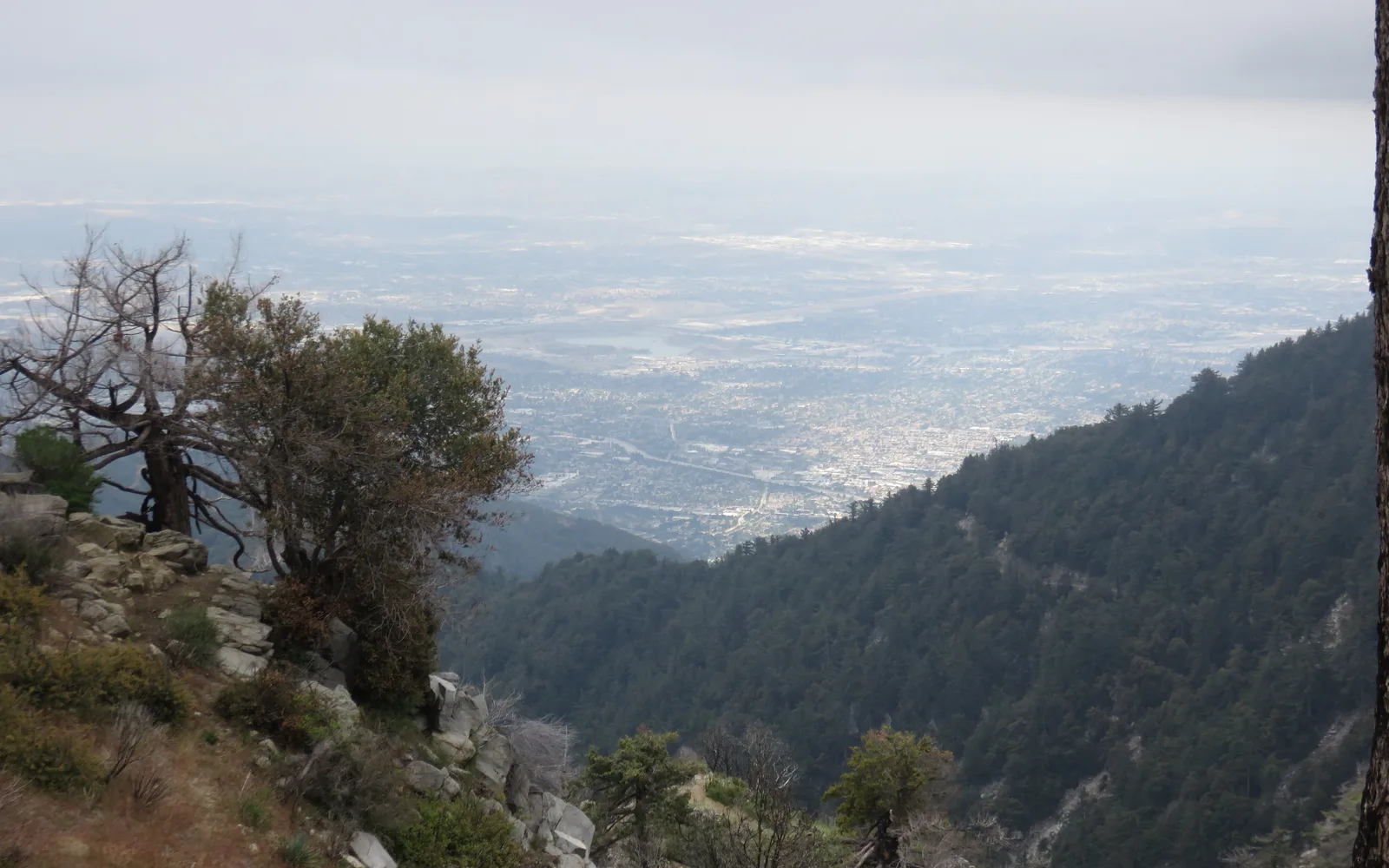
Monrovia's neighborhoods form a balanced residential landscape where single-family homes, small apartment buildings, and community spaces coexist. The city's careful planning has preserved its tree canopy and street patterns while accommodating growth—a population of 37,931 as of the 2020 census, with a density of 2,782 people per square mile that allows both community and space. This scale has made Monrovia attractive to families at different life stages: young couples finding affordable neighborhoods, families with school-age children, and older residents seeking proximity to services without the density of larger cities.
Recent infrastructure improvements have strengthened residential life. The Metro A Line light rail station opened in 2016, providing Monrovia residents with direct transit connections to downtown Los Angeles and beyond—a shift that made the city more accessible to workers and students while reinforcing downtown as a gathering place. The city government, operating under a council-manager system since 1923, works with residents through established planning and parks departments, creating opportunities for neighborhood participation in decisions that shape daily life.
A home is more than a place to sleep; for most households it represents the largest financial commitment and the anchor of family plans. Life insurance reflects that reality: it exists to ensure that a mortgage will be paid off, that children can stay in their schools, that the household's economic stability continues even in the worst circumstance.